




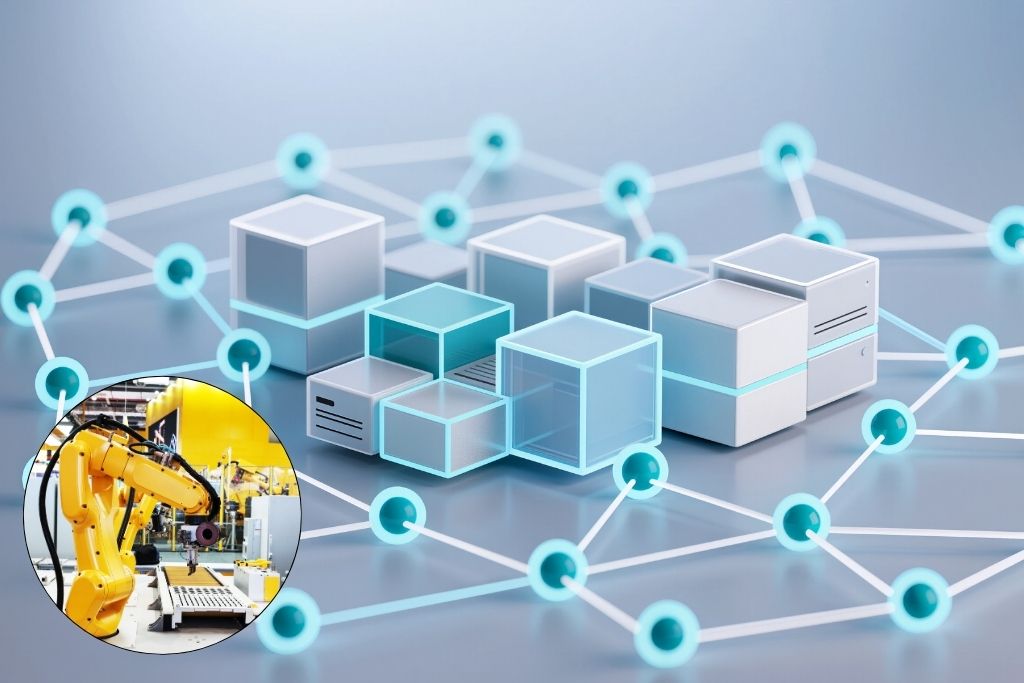
Artificial intelligence It has penetrated almost every aspect of our lives. The same is true for logistics, warehousing, production, and the entire supply chain, where data-driven technologies are beginning to determine the pace of work, costs, and competitive advantage.
What is its impact and applications??
Just a few years ago, AI was treated as a curiosity. Today, according to reports Mecalux & MIT ILS Massachusetts Institute of Technology published an extremely interesting report. It turns out that already over 90% warehouses use tools artificial intelligence or intelligent automation. And what is most important? These implementations are no longer pilot projects, but are being scaled to full operations.
The biggest change? Artificial intelligence has begun to influence not only data and analytics but also the physical movement of goods, integrating with robotics, transport systems, and process automation. At Intralog, we see this every day: automation is becoming a strategic project and has a real impact on cost optimization.
Why is AI the future of your magazine?
In recent years, logistics companies have been implementing intelligent automation faster than expected. This is due to three strong market pressures:
- growing volumes and increasingly high customer expectations,
- shortage of workers and rising labor costs,
- ESG requirements and the need to reduce energy consumption.
Let's look at 5 key areas of transformation that can significantly optimize your warehouse operations.
Artificial Intelligence and Intralogistics – 5 Key Areas as a Basis for AI Development
1. Auto-Inbound: intelligent goods receipt
In warehousing, the receiving of goods is precisely what generates the most errors and costs. Therefore, the first step is not artificial intelligence itself, but the creation of a stable, repeatable, and fully automated process base.
This is the database built by the Intralog Auto-Inbound system, which:
- reads and verifies labels,
- I dimension and classify SKUs,
- sorts goods according to defined priority rules,
- directs them onto the correct conveyor paths.
System Auto-Inbound generates clean, consistent, and structured data from cameras, scanners, and sensors. This data is then used by artificial intelligence algorithms for:
- more precise classification of goods,
- label error and anomalous SKU detection,
- dynamic sorting rule changes based on current load,
- optimizing decisions at the goods entry stage into the warehouse.
Artificial Intelligence is transforming simple Auto-Inbound data capture systems into intelligent, autonomous operational centers. The use of AI enables the automation of inbound processes, such as intelligent document processing, data extraction from invoices, and customer inquiry handling using chatbots.
2. AI-controlled internal transport systems
The foundation of an efficient warehouse is a continuous, stable flow of goods. Classic conveyors—belt, roller, and chain – they provide physical transportation, but it's the integration with AI modules that allows for dynamic, real-time traffic management.
First, a solid internal transportation infrastructure is created. Only on this solid foundation can artificial intelligence:
- control conveyor speeds, reducing energy consumption,
- create intelligent buffering zones,
- eliminate bottlenecks and uneven cycle times,
- Optimize transport routes based on current warehouse load.
3. Pick-to-Light Systems
Completion This is one of the most labor-intensive stages of warehouse operations. Classic Pick-to-Light systems speed up work, but only their combination with artificial intelligence allows for dynamic task queue management. First, we create a repeatable picking environment based on Pick-to-Light. On this basis, artificial intelligence analyzes:
- current workstation load,
- SKU profile and historical download rates,
- order queue and shipping priorities.
Thanks to this, AI can in real-time:
- assign tasks among positions,
- foresee slowdowns and compensate for them,
- advise operators on the optimal way to work.
4. Integration of Automation with IT Systems (WMS/ERP)
Every Intralog implementation is based on the integration of conveyors, mezzanines, elevators, Auto-Inbound, or Pick-to-Light with the client's overarching systems. The greatest business benefit is:
- full real-time process visibility,
- better control of goods flow,
- fewer errors and greater control over processes.
Such an approach aligns with our core principle Industry 4.0, where All processes are coordinated and managed based on data.
5. Optimization Energy and ESG
Sustainable warehouse operations start with stable automation. In Intralog systems, automation is the first step to reducing electricity and material consumption.
Systems conveyors, sorters or sorters can automatically:
- switch to stand-by mode when there is no flow in the given zone,
- reduce operating speeds during periods of low load,
- detect areas with excessive energy consumption,
- optimize start/stop cycles and smooth drive regulation.
As a result, Intralog customers achieve energy savings of up to 40% compared to systems without smart controls. Once the necessary infrastructure is in place, energy data can be integrated into artificial intelligence algorithms. This enables AI to:
- predict energy consumption peaks,
- automatically switch zones to optimal operating modes,
- manage AGV/AMR charging or energy storage,
- Analyze the correlation between volume and energy consumption.,
- identify any inefficiencies that are not visible to operators.
Dreaming of a modern warehouse? At Intralog Industry 4.0 is our proprietary approach to building smart warehouses. However, before implementing advanced AI solutions, the principle is simple: First, stable automation and data-driven processes, and only then an artificial intelligence layer that wisely uses this data.
TAKE A LOOK AT OUR SOCIAL MEDIA: