




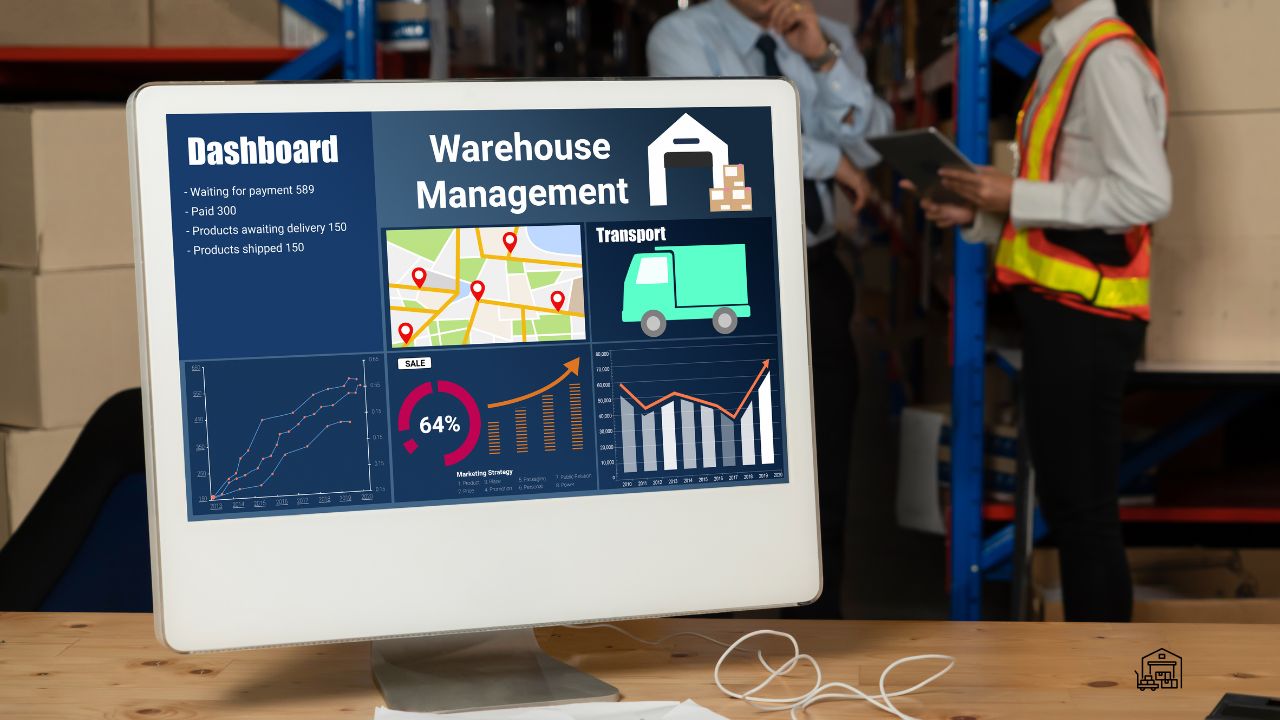
Time and motion studies in warehouses are still useful, but they are rarely the most effective tool on their own nowadays. In practice, they serve more as a starting point for further optimization, and not a complete solution to performance problems.
In approach Intralog Time and motion studies are not for evaluating people's work pace, but for better designing the entire warehouse process – from layout and zone organization to the method of recording operational data.
Why is time and motion analysis alone not enough today?
Time and motion study, as the sole tool, has significant limitations. In practice:
- it doesn't show the full flow of information in the warehouse
- does not take into account the dependencies between zones and processes
- does not answer questions about the quality of operational data
- It does not indicate systemic errors, rather than human ones
For this reason, it is increasingly treated as a preliminary element that requires supplementation with process and organizational analysis.
How to measure warehouse work efficiency?
Warehouse performance is best evaluated through analysis the entire process, rather than a single indicator or an Excel table. The result of „how many units were handled per hour” rarely reflects the actual situation on the shop floor.
In practice, the following are analyzed simultaneously:
- throughput, i.e., the amount of goods handled in a given time
- cycle time for receipt, picking, and dispatch – from goods entering to them leaving the warehouse
- number of errors and corrections, indicating process stability
- work time ratio to time spent traveling or waiting
- storage space utilization, as bottlenecks often arise from layout rather than workflow speed
Only the combination of this data allows one to understand, Why is the warehouse losing efficiency, and not just where „time flees.” Analyzing operator work time shows how long a given activity takes, but it doesn't explain what slows it down.
What really increases warehouse efficiency?
Warehouse efficiency is primarily increased by better process organization, not speeding up people's work. Intralog's project experience shows that structural changes, not point corrections, yield the greatest results.
Better process organization:
- reduces time spent on travel
- limits operational errors
- can increase efficiency by up to 70%
Shortening transport routes
Example: child seat manufacturer
In a hall with a 12m wide transport corridor, it was not possible to install stationary conveyors. Instead of interfering with the infrastructure, extendable conveyors roller.
Effect:
- Performance improvement without changing people's work pace
- shortening the goods transport route
Elimination of returns and vertical transport
Example: automotive parts distributor with a mezzanine
Manually bringing down litter bins and transporting pallets from the upper levels became a bottleneck. A gravity spiral conveyor was implemented.
Effect:
- 2x higher cuvette throughput
- elimination of work at height and occupational health and safety risks
- cost approx. 20% of a standard elevator
Simplifying the sequence of actions
Example: Pharmaceutical warehouse in Qatar
Manual picking generated approximately 10% errors and required skilled personnel. An automated Pick-to-Light picking system was implemented.
Effect:
- 80%: Faster order fulfillment
- reduction in error from 10% to 0.5%
Automatic event logging
Example: e-commerce operator
Manual measurement, weighing, and data entry limited the acceptance of goods. The Auto-Inbound system was implemented.
Effect:
- 100% data redundancy
- Return on investment in approx. 3 years
Why is time and motion study a starting point today, not an end goal?
The greatest performance improvement comes from to better design the process, and not from speeding up individual tasks.
In the Intralog approach:
- The analysis refers to the entire flow of goods
- Conclusions lead to specific organizational changes
- The goal is to permanently improve the performance and quality of operational data.
Summary: The Role of Time and Motion Studies in the Modern Warehouse
- Time and motion studies are still useful, but they are not sufficient on their own
- A process and systems perspective is key
- A real increase in efficiency comes from reorganizing the layout and workflow.
- Automation and the elimination of unnecessary movements have a greater impact than the pace of work.
- Analysis is the starting point for continuous optimization.
FAQ – Frequently Asked Questions
Does time and motion study still make sense in a warehouse?
Yes, but mainly as a starting point for further process optimization, not as a standalone solution.
Why is analyzing operator work time alone not enough?
Because it doesn't show the causes of time losses, dependencies between zones, or the quality of operational data.
What most increases warehouse efficiency?
Better organization of processes, elimination of unnecessary movements, and simplification of action sequences.
What's the best way to measure warehouse work performance?
Through the analysis of throughput, cycle time, error count, space utilization, and actual throughput with goods.
TAKE A LOOK AT OUR SOCIAL MEDIA: