
Cross-docking
Cross-docking - efficient reloading
Cross-docking in intralogistics is a distribution method in which goods go directly from receiving to shipping, bypassing long-term storage. The goal of cross-docking is to shorten order fulfillment times, reduce storage costs, and increase the flow of goods.
What are the benefits of cross-docking?
The automation of cross-docking brings a number of significant benefits that affect the operational efficiency of warehouses and the quality of order fulfillment:
- Reduce lead times- Cross-docking significantly speeds up the delivery process, as goods do not have to be stored in a warehouse. Products are transshipped directly from inbound shipments to outbound vehicles, reducing the time between receiving and shipping
- Reduction of storage costs- By eliminating the need for long-term storage, cross-docking minimizes costs associated with product storage. Goods are moved immediately, reducing the need for large warehouse space.
- Optimize the flow of goods- Cross-docking automation enables the smooth flow of goods through the warehouse. Goods are quickly reloaded, reducing the risk of congestion and increasing operational efficiency. Automation systems precisely track every step of the process, eliminating errors and speeding up order processing.
- Better inventory management- Cross-docking keeps inventory levels to a minimum, facilitating warehouse management and reducing the risk of excess products. By automating the processes, goods are in constant motion, which increases operational efficiency and allows for better flow planning.
How does Intralog approach cross-docking?
At Intralog, our advanced cross-docking systems are designed to optimize the flow of goods through the warehouse, eliminating the need for long-term storage. Our solutions integrate with WMS systems, enabling precise management of goods at every stage of the process - from receiving to final distribution.
Our approach to cross-docking includes:
- Automated flow of goods - goods are immediately transferred from inbound to outbound shipments, speeding up the entire process and eliminating delays.
- Integration with WMS - our systems are fully integrated with warehouse management systems, which enables precise tracking of goods and better management of warehouse operations.
- Optimization of warehouse resources - cross-docking enables better utilization of available warehouse resources, minimizing the need for storage and reducing operating costs.
Why choose cross-docking from Intralog?
Personalization
Security
Effectiveness
When you choose Intralog, you are investing in advanced automation systems that maximize the Operational efficiency and ensure the rapid flow of goods through the warehouse, while minimizing costs.
Cross-docking and X docking in a nutshell
What is cross-docking
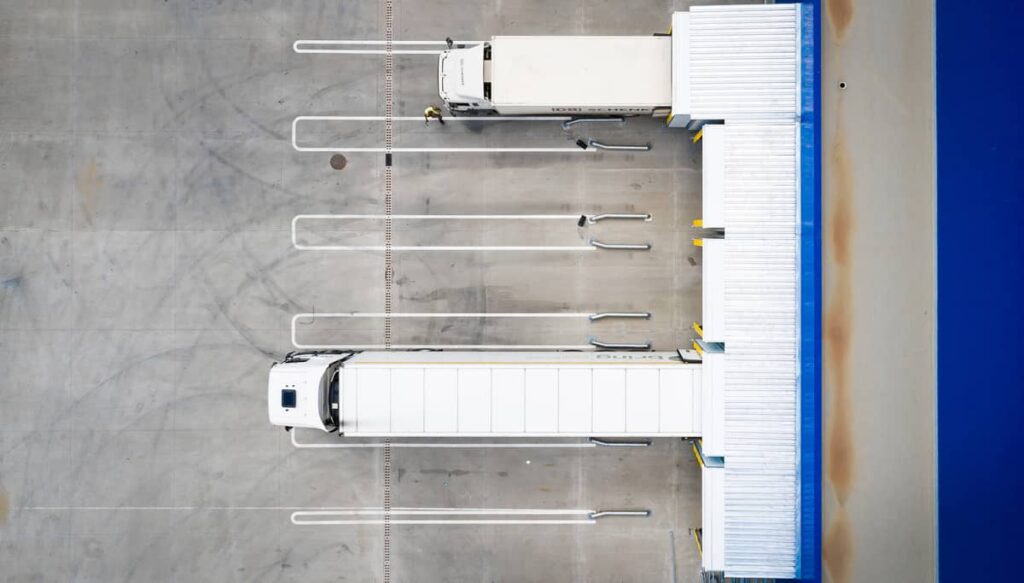
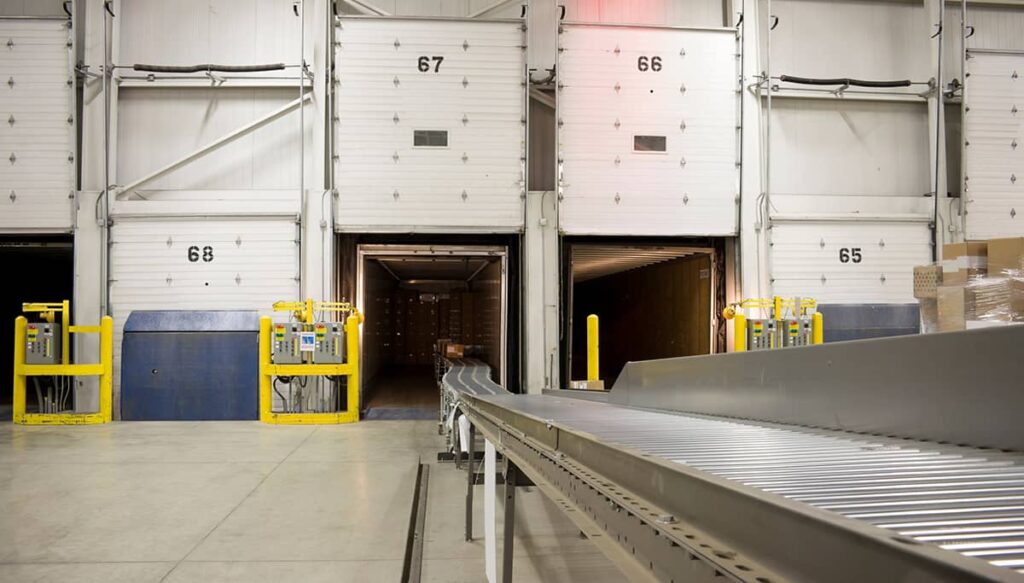
Cross-docking involves the immediate transshipment of goods from the receiving dock to the shipping dock. Goods are sorted, assembled, or consolidated only to the extent necessary for further distribution, without classic warehouse storage.
Cross-docking - is it the same thing?
The term x-docking is sometimes used as a name for cross-docking variants. Most often, it refers to processes such as sorting shipments by distribution routes, consolidating shipments, or integrating cross-docking with dedicated carriers.
Key elements of effective cross-docking
An effective cross-docking process relies on three pillars:
- automated loading and sorting,
- cross-docking system integration with WMS,
- precise planning of vehicle arrivals and departures.
Benefits of cross-docking in intralogistics
- reducing order fulfillment time
- Cost reduction in warehousing
- Reduced risk of goods damage
- Better utilization of warehouse space
- greater scalability of logistics operations
Cross-docking is used in a variety of industries and supply chain scenarios, primarily to reduce storage and handling costs and speed up the delivery process. Here are some common applications: * **Retail:** This is one of the most widespread uses. Retailers use cross-docking to move goods from manufacturers or distribution centers directly to store shelves with minimal or no warehousing. This is especially common for fast-moving consumer goods (FMCG) that have a high turnover rate. For example, a truckload of mixed products for various stores might arrive at a cross-docking facility, be sorted, and then be loaded onto smaller trucks destined for individual stores. * **Manufacturing:** Manufacturers can use cross-docking to receive components from multiple suppliers and then consolidate them for direct shipment to their production lines, bypassing the need for a large inventory of raw materials. This streamlines the Just-In-Time (JIT) manufacturing process. * **Transportation and Logistics Companies:** Third-party logistics (3PL) providers often use cross-docking as a service to their clients. They can consolidate less-than-truckload (LTL) shipments into full truckloads (FTL) for long-haul transport and then break them down again at the destination cross-docking facility for final delivery. This is also known as shipment consolidation and deconsolidation. * **E-commerce Fulfillment:** While e-commerce often involves warehousing, cross-docking can be used to expedite the fulfillment of orders, especially for popular or high-demand items. Goods can be moved from suppliers directly to packing areas for rapid dispatch without spending time in a warehouse. * **Food and Grocery Industry:** Given the perishable nature of many food products, cross-docking is crucial for minimizing holding times and ensuring freshness. Products can be routed from producers to distribution centers and then directly to grocery stores. * **Automotive Industry:** Similar to general manufacturing, the automotive sector uses cross-docking for parts and components, ensuring that the right parts arrive at assembly plants exactly when they are needed. * **Events and Trade Shows:** For temporary events, cross-docking can be used to receive shipments from various vendors and then deliver them directly to the event venue without the need for extensive storage at the venue itself. * **Pharmaceuticals:** For certain medical supplies or time-sensitive medications, cross-docking can ensure rapid and efficient delivery while maintaining necessary temperature controls. In essence, cross-docking is most effective when: * Products have a high turnover or short shelf life. * Products are pre-ordered and have pre-assigned destinations. * Shipments are relatively large and can be consolidated effectively. * There's a need to reduce inventory holding costs and speed up delivery times.
Cross-docking is used in, among others:
- distribution centers
- e-commerce and omnichannel
- Contract Logistics (3PL)
- distribution of fast-moving consumer goods
❓ FAQ – CROSS DOCKING
What is cross-docking in intralogistics?
Cross-docking in intralogistics is a logistics process that involves the direct transfer of goods from receiving to shipping without long-term storage in the warehouse.
❓ What is the difference between cross-docking and warehousing?
In cross-docking, goods are not stored but are transferred almost immediately for further distribution. In traditional warehousing, goods are stored in storage areas for an extended period.
❓ What does x-docking mean?
X-docking is a colloquial term for cross-docking variants, which include shipment sorting, shipment consolidation, or integration with specific distribution channels, among others.
❓ What systems support cross-docking?
The cross-docking process is supported by WMS systems, ramp planning systems, automated sorters, and solutions for real-time monitoring of goods flow.
❓ In which industries does cross-docking work best?
Cross-docking is particularly effective in e-commerce, retail distribution, 3PL logistics, and in handling high-turnover goods.